

Curiosity: Creating Space for Multiple Possibilities
05.25.24 | 29205

Who do you know is particularly curious? How might you emulate them?
What places in your life inspire wonder? How might you lean into the feeling of these places?
What practices help you cultivate a sense of curiosity? How might you reinvest in them?
Looking back at the month, in what ways do the people, places, and practices in your life relate to your relationship with curiosity? How would you like to relate to curiosity in the future?
This month, I’ve focused quite a bit of this writing on curiosity as it exists as a concept. But I want to be clear: I believe deeply that curiosity is an essential piece of our healing as a society. I believe we must get serious about being curious (don’t hate me) if we want to bridge the gaps that divide us. This is not about being part of elite institutions, the awards we win or the medals we wear – it’s about genuine learning.
As I considered the importance of curiosity this month, I found myself thinking again about an article from March 2023 by Ibram X. Kendi, famed author of How to Be an Anti-Racist. His article, a response to the growing anti-intellectualism of present-day America, thinks critically about the underpinnings of intellectualism on both sides of the aisle. Principally, Kendi examines how intellectualism as it exists in American institutions is bound up in whiteness and the history of racism in this country. Perhaps this reality is becoming more and more obvious as elite institutions across this country fight against their own students they claim to support and value – whose hearts and minds they purport to nurture over the course of their years as members of educational communities. Institutions of intellectual curiosity are, by and large, failing to uphold that very value. They are failing to respond to their students with curiosity and a genuine interest in learning, hearing, and changing.
Kendi’s analysis reverberated in my mind in the past few weeks as I considered the conditions under which curiosity thrives – and, conversely, under which curiosity does not thrive. As Kendi argues, “Traditional notions of the intellectual were never meant to include people who looked like me or who had a background like mine.” Intellectual spaces have historically kept people of color out of the hallowed halls and have prioritized the experiences of white men while purporting to be inherently objective and logical. In the interest of maintaining the status quo, white intellectualism has long prioritized white experiences over all others and aligned itself with systems of power.
A couple weeks ago, I asked how the people you look up to view curiosity and build it into their overall worldview. As I consider my own surroundings and the intellectualism of the communities which raised me, over the past few years I have been increasingly challenging myself to reframe what I consider to be true, right, and good. It is not enough to simply know the facts and follow the news. Increasingly, I am choosing to approach the world around me with the assumption that I do not, in fact, have all the answers – and that I don’t need to have all the answers. Living with this wisdom has created room for conversation. It has created space for multiple possibilities to be true and for me to learn from various sources of wisdom.
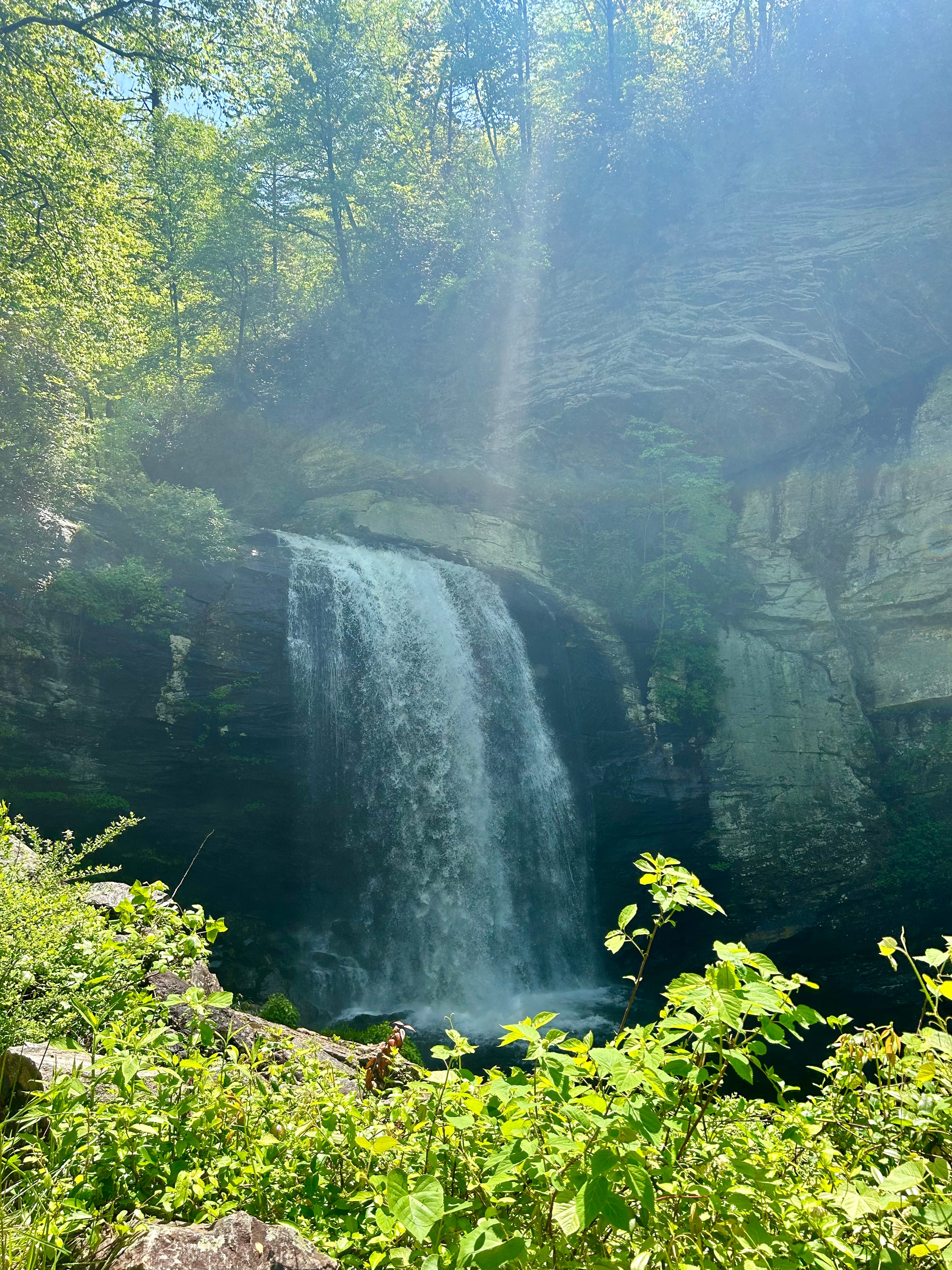
How do wonder and curiosity about the world around us serve our long term goals for justice? How do they push us toward creating communities of care – toward constructing the world we want to see?
I’d love to hear about the communities you’ve been a part of and how they viewed curiosity. Did they create room for multiple answers? How have your ideas about curiosity been affected by the people and places you call home, and how might you evaluate curiosity moving forward?
Until next time, friends. See you in June.