

The Wild: Downtrodden Grasses & Wildflowers Picked
03.16.24 | 29205

For Reflection:
Where do you feel most free? What aspects of this place contribute to that feeling of freedom?
Consider the different seasons of your life. When you have been more or less wild, where have you been? What external qualities of your location and/or community shaped that experience?
Consider the time you have spent in nature. Have you ever been in a place that was truly untouched by human hands, that had not been cultivated or shaped to human expectations? How did you feel?
How have your experiences in wild places influenced your sense of self?
Would you like to spend more time in nature? Why or why not?
If the wilderness is an “uncultivated” place, how do you understand your relationship to it? Does the lack of cultivation feel like a positive characteristic, or a negative one? Why?
I love being outside. I love taking walks through my neighborhood, with my dog and an audiobook. I love hiking in the woods or walking a trail along the river. I love sitting in a garden, weeding and cultivating a space for growth. But while I often spend time outside, I rarely spend time in what might truly be called the wild – in the uncultivated, untamed places of our world.
Last month, I wrote about a book I have now read twice called A Psalm for the Wild-Built, by Becky Chambers (if you’re interested in that post, check out 2/29). This book is still on my mind as I consider the significance of being out “in the wild.” The main character in A Psalm, Sibling Dex, chooses to leave all the beaten paths and venture into parts of the world unknown to them so far. At times, Sibling Dex remains excited about this new opportunity and the changing perspective it brings. But at other times, they find themselves concerned about the reality of being a human being in the wild. What if they alter something about the landscape that irreversibly changes their environment?
Sibling Dex finds a companion who helps them understand that they, too, are part of the natural landscape. They, too, are an animal in relationship with the other beings that surround them. This companion helps Sibling Dex understand that they are not separate from nature, but a part of it.
This moment in the book reminds me of my time spent outdoors, especially when I have been more “off the beaten trail,” if you will. Through the years, I have visited remote areas of forest in northern Minnesota, hiked in midcoast Maine, and machete’d my way through the rainforest of Peru. When I think about it, I have been in some untouched, unrestricted, untamed places. But I have also felt, during those times, similarly to Dex – like I am somehow negatively impacting that world. I have wondered whether my presence and the footprint I leave behind are unnatural or unwelcome additions to the landscape. I have worried that I am not, in fact, part of nature, but rather an external force leaving an artificial impact.
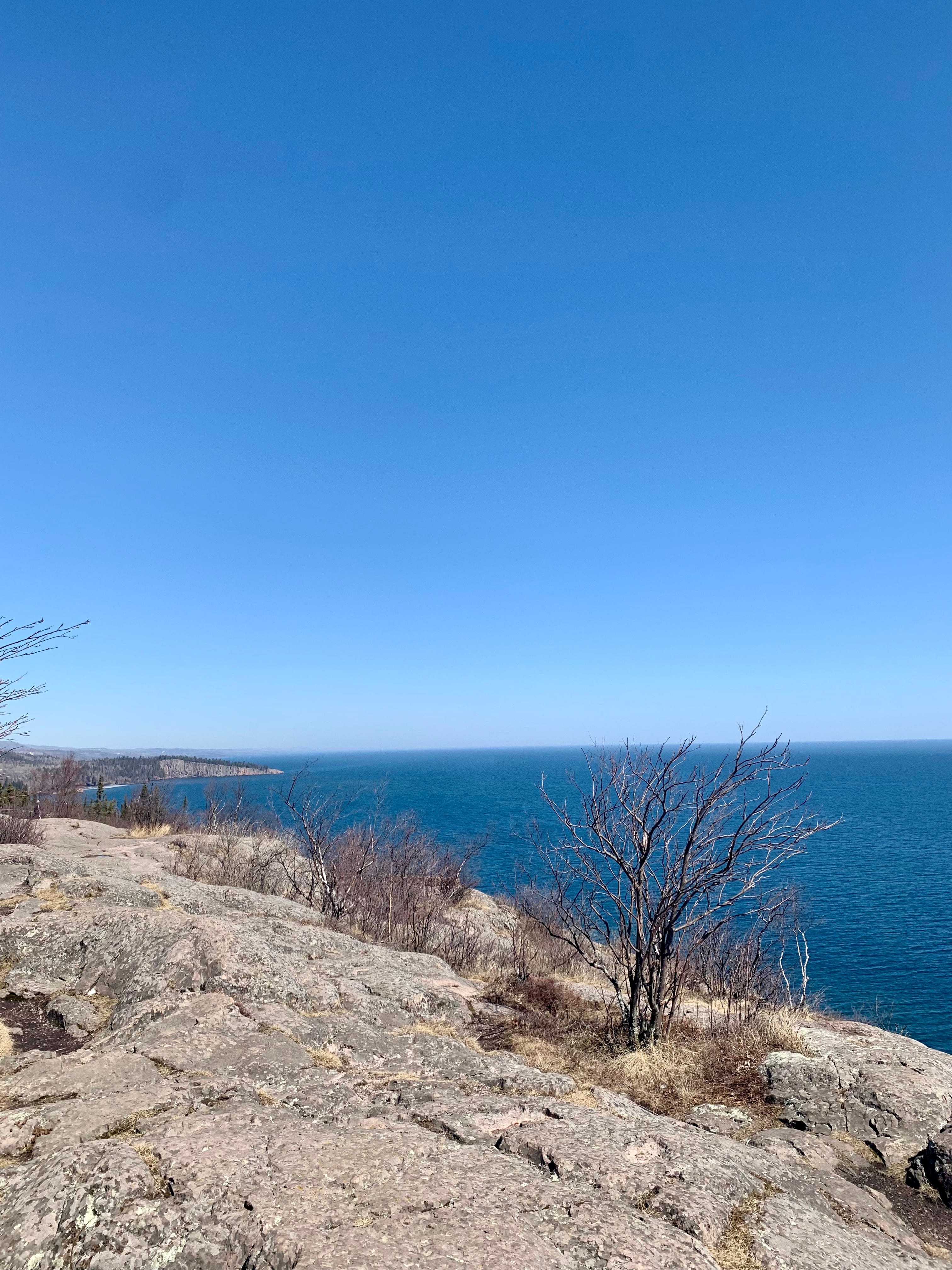
Reading A Psalm for the Wild-Built has reminded me of the beauty of the natural world and the happiness I have felt at being part of something larger than myself. It is all too easy, in our independent-minded, striving and achieving and succeeding world, to think that we are all alone. And while I have been all alone in the woods and the rainforest, I have also been with other beings – I have been with nature. I have felt a connection to the ecosystem which surrounds me, and I have felt my natural place in it, more than I ever do in my day to day life. And I have then hoped to bring some of that feeling back home with me. It’s why I fill my apartment with plants and greenery, and it’s part of why I adopted a dog.
In these everyday connections to other beings, I am reminded that my existence is part of an ecosystem much larger than myself. I understand that the imprint I leave on the world matters – in all the little reverberations of my actions. But I also am reminded that the imprint I leave – downtrodden grasses and wildflowers picked and carried home – will not alter the future landscape in any worrying way. Any trace I leave is a part of the landscape, because I am a part of the ecosystem. It is a push-pull that I am still coming to terms with, but it is a push-pull that also reassures me.
I am so curious to hear about your relationship with being outdoors and the time you have spent in the wild places of this beautiful world. How have those places impacted your relationships with others? How have they impacted your sense of self?
Until next time, friends.